The Case for the Long Chat: How Slow Dating Became the Disabled Community's Quiet Revolution
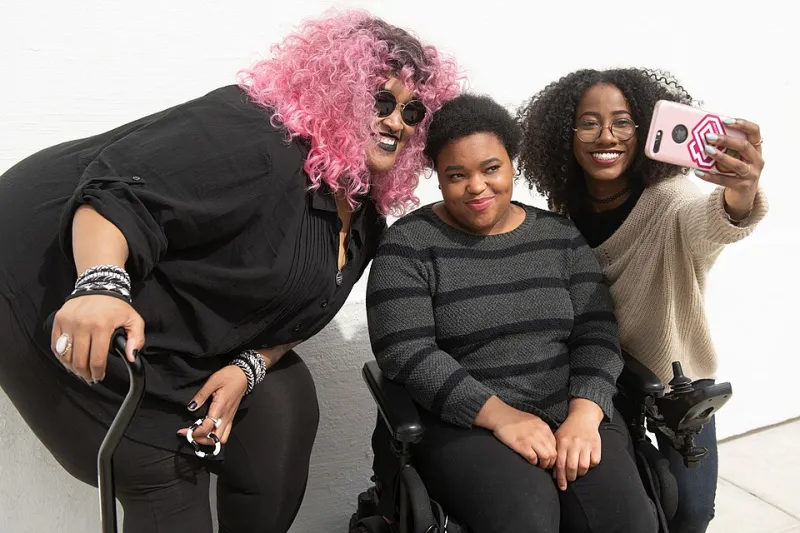
Photo: Disabledandhere, CC BY 4.0, via Wikimedia Commons
There's a moment familiar to anyone who's dated with a disability: you match with someone, the chat is fizzing, and then the app asks the question that ruins everything. Fancy meeting this weekend?
Your weekend, as it happens, involves a physio appointment, a care visit, a fatigue crash of unpredictable timing and a venue you'll need to ring ahead about. Suddenly romance feels like project management, and the match dies not from lack of interest but from lack of logistics.
It's no wonder that slow dating — the deliberate practice of spending weeks, sometimes months, in conversation before meeting — has found such a warm reception among disabled singles. What the mainstream frames as a trend, many of us recognise as something we were doing out of necessity all along.
The App Model Was Never Built for Us
Swipe culture rewards volume. More matches, more chats, more meetups, more momentum. But energy is a finite resource when you're managing a chronic condition, and the standard dating app playbook treats that as a personal failing rather than a design flaw.
Slow dating inverts the whole thing. Instead of optimising for speed, you optimise for sustainability. A fortnight of messaging. A video call when you've got the spoons for it. A first meet that's short by design — coffee, not dinner — with an exit that doesn't require explaining yourself.
And here's the thing: it works. Removing the pressure to perform accessibility theatre on a first date means you actually get to find out whether you like someone.
What a Slower Rhythm Looks Like
If you fancy giving it a go, the mechanics are refreshingly simple:
- Chat before you calendar. Let conversation run its course for a couple of weeks before suggesting anything. If someone loses interest because you didn't meet within 48 hours, that's useful data, not a loss.
- Video call as a halfway house. It's a proper date — many disabled daters say a video chat told them more in 40 minutes than three weeks of texting. It also lets you gauge access needs and energy levels before committing to a venue.
- Plan the first meet around your body, not the algorithm's. Morning coffee if afternoons wipe you out. Somewhere with step-free access and accessible loos (check Accessable or the venue's own site, not just the app listing). Somewhere near a taxi rank or step-free station.
- Say the quiet part out loud. "I tend to flag by 8pm" or "I'll need to sit near the loo" — stating needs early filters in the people worth keeping and filters out everyone else.
The Emotional Payoff
There's a subtler benefit too. Slow dating gives you time to decide when and how to talk about your disability, rather than having it forced into a first-date confession slot. You can let someone get to know you first — the music taste, the terrible jokes, the opinions about Bake Off — and let the disclosure happen on your terms.
Dating apps will keep pushing us to move faster, because speed is what they sell. But connection isn't a queue to clear. For a lot of disabled singles, the slow lane isn't a compromise. It's the first time dating has actually felt like it was designed for them.
Take your time. The right person won't be timing you.