Vinyl, Vintage and Taking It Slow: The Case for Courtship, Charity Shop Style
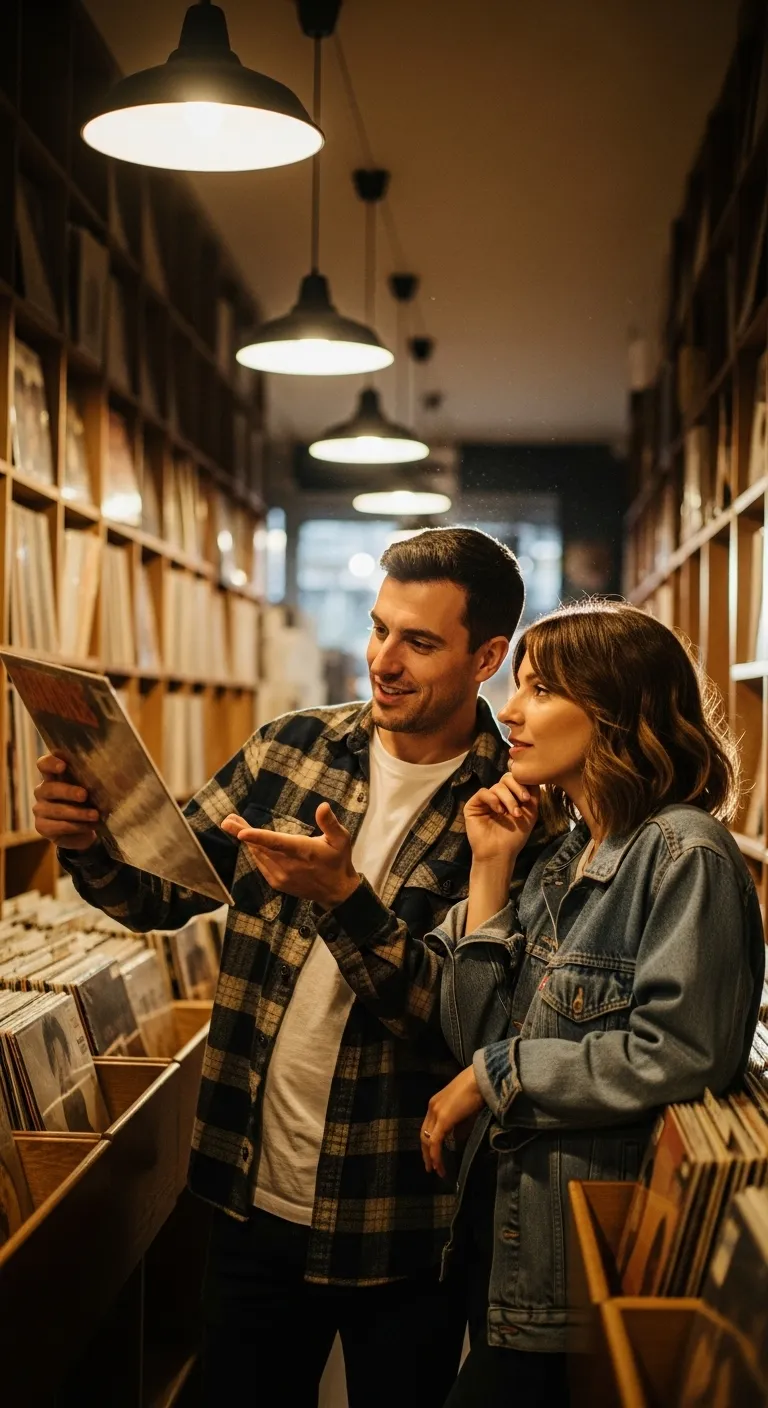
Photo: couple browsing vinyl records in vintage charity shop, via coupleprompts.online
There's a particular kind of magic in watching someone flick through a crate of second-hand records, tongue slightly out, completely absorbed. It's unhurried. It's quiet. And increasingly, it's where disabled singles across Britain are finding that romance works better when it isn't rushed.
Swipe culture sold us a fantasy of frictionless love: infinite options, instant judgements, dates stacked back-to-back like budget flights. But for many disabled daters — those who need to plan around energy levels, accessible venues or personal assistants — that model has never fit. Vintage dating, it turns out, does.
The Slow Browse Is the Point
A charity shop date sounds underwhelming until you've had one. There's no queue to shout over, no pressure to perform, and crucially, no steps. Most Oxfam and British Heart Foundation branches are street-level with wide aisles, and staff who are — in my experience — far more accommodating than your average bouncer.
The browse itself is a conversation machine. A dodgy 1970s teapot sparks a story. A forgotten cassette of Now That's What I Call Music 12 becomes a debate about the best decade for pop. You learn far more about someone from what they pick up than from what they put on a profile.
And the pace suits. There's no time limit, no need to move venues if your energy dips. If the browse turns into a cuppa next door, lovely. If it doesn't, you've still had a genuinely nice hour.
Met Over a Miles Davis LP
Take Rachel and Tom, who met at a vintage fair in Manchester's Northern Quarter. "He was holding a Miles Davis record I'd been after for months," Rachel laughs. "I made some very uncool comment about it. We ended up sitting on the benches outside for two hours."
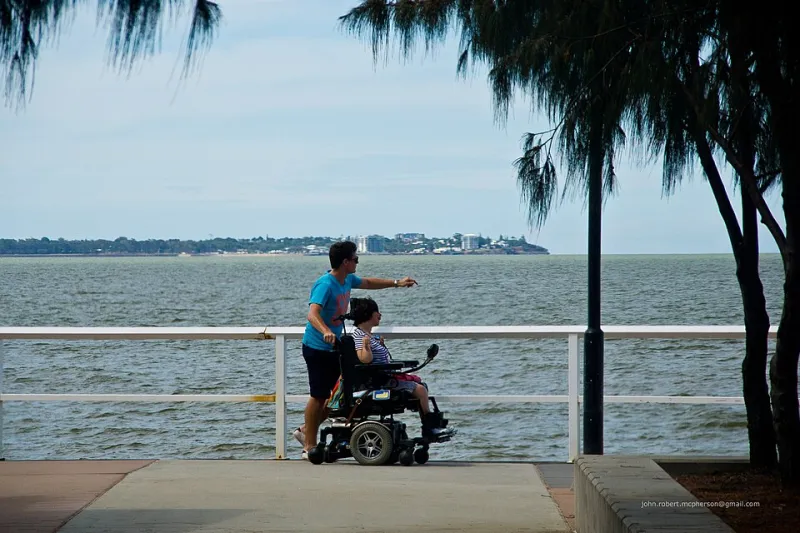
Tom, who has cerebral palsy and uses a wheelchair, says the setting mattered more than either of them realised. "Fairs are flat, spacious, and nobody's standing up every five minutes. I wasn't managing my body around a crowded bar. I was just... talking to someone."
They're planning a wedding now. The save-the-dates are printed on vintage postcards, naturally.
Retro Venues Were Built for Lingering
There's a reason fifties-style diners and retro cinemas are having a moment. Booth seating is generous, tables are usually fixed at a sensible height, and the whole aesthetic encourages you to settle in rather than perch. A picture house with a sofa section beats a standing-only gig for most of us, disabled or not.
Many independent retro cinemas — think the Phoenix in London or the Showroom in Sheffield — have done real work on step-free access and companion seating. Ring ahead, ask the awkward questions, and you'll often be pleasantly surprised.
Planning Your Own Vintage First Date
A few practical pointers from couples who've done it:
- Pick flat, central locations. Vintage fairs and high-street charity shops beat a trek to an out-of-town antique centre.
- Build in a seated option. A café with proper booths within rolling or walking distance gives you a natural next stop.
- Set a budget together. Part of the charm is that a brilliant date can cost a tenner. Agreeing on that upfront removes the awkwardness.
- Let the objects do the talking. If conversation stalls, there's always something on a shelf to react to.
- Check access before you go. Sites like Euan's Guide cover many retro venues, and a quick call saves a disappointing day.
Old-Fashioned, in the Best Way
None of this is nostalgia for nostalgia's sake. It's a recognition that courtship — slow, curious, low-pressure — was always better suited to people who date on their own terms. Vintage romance isn't a costume. For disabled daters, it's often simply the version of love that finally fits.
So next time you're planning a first date, skip the app-arranged drinks in a heaving bar. Go and argue about a Motown seven-inch instead. You might be surprised what turns up in the second-hand bin.