Two Roles, One Relationship: When Your Partner Becomes Part of Your Care Team

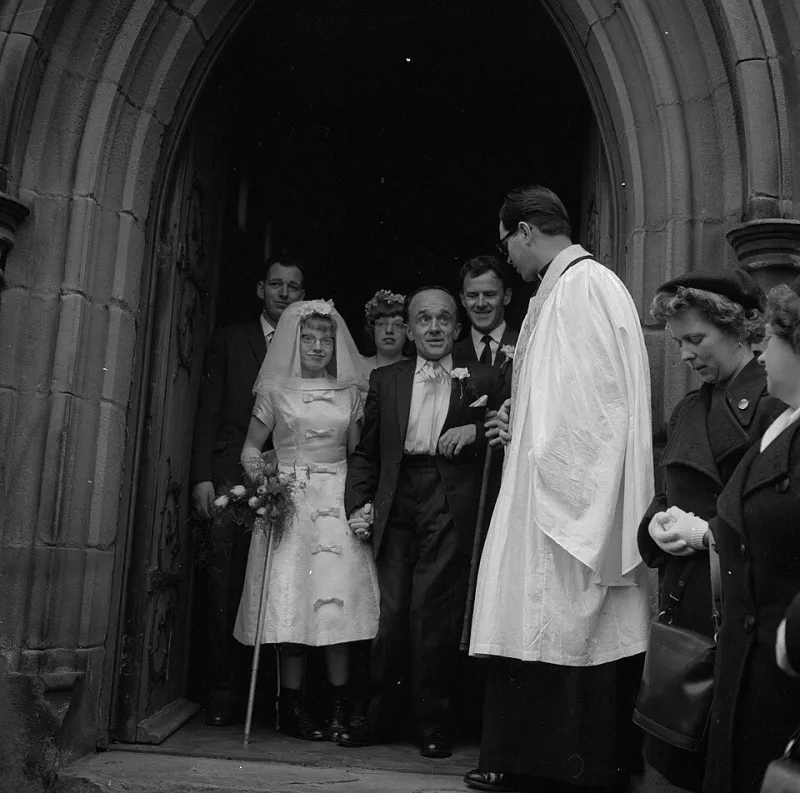
Photo: Geoff Charles, CC BY-SA 4.0, via Wikimedia Commons
There's a particular kind of intimacy that arrives unannounced. It's not the candlelit dinner or the first hand-hold. It's the morning your partner helps you fasten a bra, or the Tuesday they take over your catheter bag change because your PA rang in sick.
For a growing number of disabled couples — and mixed-ability couples where one partner has significant support needs — the line between romance and care isn't a line at all. It's a smudge. And how you manage that smudge, says the couples we spoke to, can make or break the relationship.
The Blurring Nobody Warns You About
Priya, 38, from Leicester, has spinal muscular atrophy and has been with Tom for six years. "People assume Tom is my carer," she says. "He's not. He's my husband who happens to help. But some weeks, that distinction gets tested."
The couple use direct payments to employ PAs for most of Priya's personal care, but Tom pitches in during gaps. "The rule we landed on," Priya explains, "is that if he's doing care tasks more than two days running, something's wrong and we fix the rota. He's my partner first. Always."
That principle — partner first, helper second — comes up again and again among couples who've made this work.
When the State Gets Involved
Here's where it gets thorny: if you claim Carer's Allowance for looking after a partner, the relationship officially enters DWP territory. Some couples actively avoid this, worried about financial entanglement or the loss of independent benefits. Others find the recognition useful.
There's no right answer, but there is a right conversation. Money, benefits and care responsibilities should be discussed openly before cohabiting — ideally with a welfare rights adviser in the room. Your local Citizens Advice can help untangle how your setup might affect Universal Credit, PIP and everything else.
What the Therapists Say
Dr Helen Marsh, a relationship therapist who works with disabled clients across Yorkshire, says the biggest risk isn't the care itself — it's the silent drift into a parent-child dynamic.
"Couples need protected time where care is off the table," she says. "One evening a week, minimum, where nobody mentions rotas, medication or appointments. Romance needs space to breathe, and it can't breathe in a care schedule."
Her other tips:
- Keep roles visible. Use a shared calendar or whiteboard so care tasks are scheduled, not assumed.
- Outsource where you can. Every hour a PA or family member covers is an hour your partner gets to just be your partner.
- Talk about intimacy explicitly. Fatigue, pain and personal care can complicate desire. Pretending otherwise helps nobody.
- Check in regularly. A monthly "how are we actually doing?" chat beats a resentful blow-up.
The Unexpected Upside
Not every story is a struggle. Many couples report that shared care has deepened their bond. "Tom knows my body better than I do, in some ways," Priya laughs. "That's not a burden. That's trust."
The carer-couple dilemma isn't a problem to be solved so much as a balance to be maintained — with honest conversations, proper support in place, and a firm agreement that whoever's helping whom, you're equals first.