Hand-Picked, Not Algorithm-Matched: Inside Britain's Human Dating Services for Disabled Singles
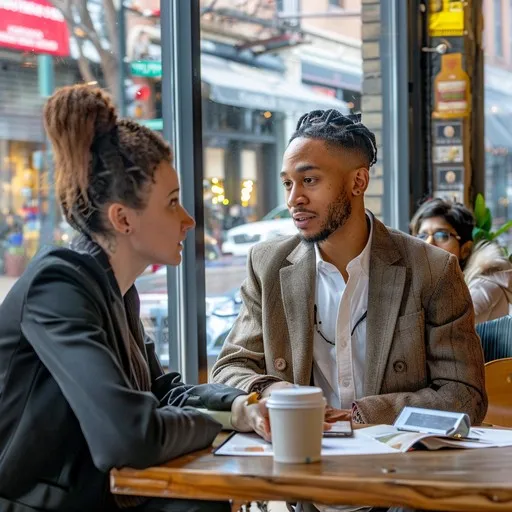
Photo: friendly matchmaker consultation meeting two people coffee shop UK, via images.stockcake.com
Somewhere between the app fatigue and the pandemic-era video date boom, a quieter corner of UK dating has been getting on with things. No swiping. No notification pings. Just a person — often a professional matchmaker, sometimes a well-organised community group — who sits down with your story and goes looking for someone who fits it.
For disabled singles tired of being treated as an edge case by mainstream platforms, these services can feel like a different universe. Here's what's out there, and what it's actually like to use one.
Who's Doing the Matching
The landscape splits roughly into three.
Specialist matchmakers and agencies. A small number of UK matchmakers work with disabled clients directly, taking detailed briefs that mainstream apps simply don't have fields for — access requirements, energy levels, whether you want someone who shares your condition or experience. Expect an in-depth consultation, hand-selected introductions and feedback after each date. Costs vary widely, from a few hundred pounds for a handful of introductions to well over a thousand for ongoing membership, so ask exactly what's included before you commit.
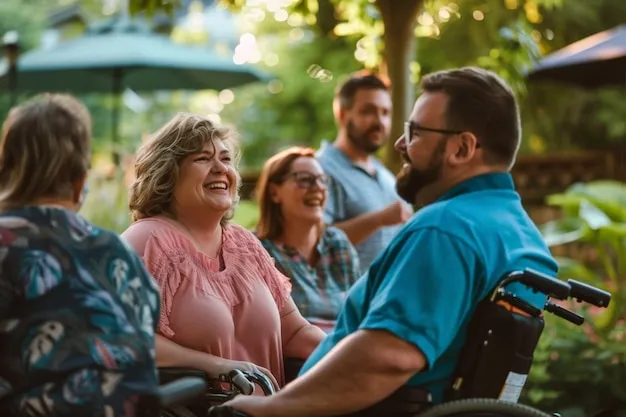
Community and charity-run groups. Organisations across the UK — from disability charities to local disability forums — run socials, singles nights and befriending events where meeting someone happens organically. These are often free or low-cost, and the informal atmosphere takes the pressure right down. Check with your local disability resource centre or a quick search for "disability social group" plus your town.
Niche online communities with a human touch. Some specialist dating sites are moderated by real people who vet profiles and, at the upper end, offer personal matchmaking as an add-on. It's a middle ground: the reach of the internet, with a human filtering the nonsense.
Why the Human Touch Works
An algorithm matches on what you tick. A matchmaker matches on what you mean. That distinction matters enormously when the practical realities of disability — energy, access, care arrangements, the emotional weight of disclosure — shape a relationship as much as any shared hobby.
A good matchmaker also does the logistical heavy lifting: suggesting venues they know are step-free, briefing both sides, taking the sting out of that first "so, about my disability" conversation by normalising it before you ever meet.
And there's accountability. Apps can ghost you; a matchmaker has a reputation to protect.
Before You Sign Up
A few checks worth making:
- Ask how they source matches. A genuine service will be transparent about their database and process.
- Check reviews and whether they're a member of a trade body like the Dating and Matchmaking Association.
- Be clear on cost and contract terms, including cancellation — and remember that if you're in Scotland, different consumer rules may apply.
- Trust your gut on disability knowledge. If a matchmaker talks over your access needs rather than taking notes, walk away.
So Does It Beat the Algorithm?
Honestly? For many disabled daters, yes — not because matchmaking is magic, but because it starts from the assumption that you're a whole person with a full dating brief, not a checkbox problem. The pool is smaller and the price tag is real. But so is the effort on your behalf.
Whether you go human, hybrid or stick with the apps, the principle is the same: you deserve to be matched by someone — or something — that understands your life. Increasingly, in Britain, you've got options.