Plugged In and Still Up for It: The Dater's Guide to Life on the Mains
Let's be honest: most dating advice assumes your biggest pre-date worry is what to wear. It doesn't tend to cover 'will the venue's electrics hold up' or 'what happens if the power cuts out mid-pudding'. But for thousands of disabled daters across Britain, that's the real checklist — and it's one we rarely talk about.
So let's talk about it. Not with doom, but with the calm confidence of people who've already survived worse than a dodgy plug socket.
Your Kit Is Not a Conversation Killer
The first hurdle is usually emotional rather than practical. Do you mention the ventilator? The dialysis schedule? The hoist?
Here's the thing: you don't owe anyone a medical briefing on date one. But if your equipment shapes where you can go and when, a light-touch mention saves everyone stress. Something like, "Just so you know, I need a table near a socket — my chair charges on the go," does the job perfectly. It's practical, it's breezy, and it signals confidence rather than fragility.
The right person won't flinch. Honestly, most people are just relieved you told them — it gives them something useful to do, and people like being useful.
Venues With Voltage: Choosing Wisely
Not all date spots are created equal when your kit depends on the mains. A few things worth scoping out before you book:
- Socket access. Ring ahead and ask. Most pubs and cafés are genuinely happy to seat you near a power point if you explain it's medical equipment — you'll often get the comfiest corner in the place.
- Backup power. Bigger venues, hotels and chain restaurants often have generators or at least a manager who knows what happens when the lights go. Small independents might not — worth a quiet question.
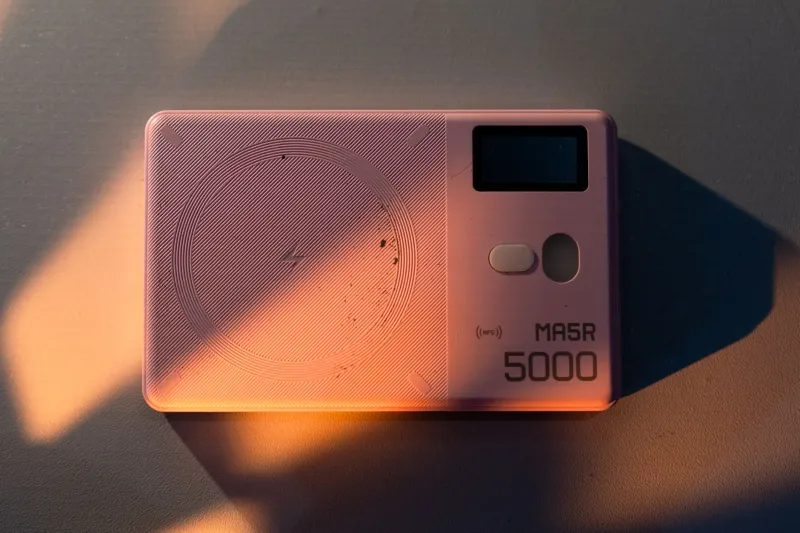
- Your own backup. A fully charged powerchair battery, a spare CPAP battery pack, a power bank rated for your kit. If your equipment can run on battery for the length of a date, you've just doubled your options.
- Exit routes. Not romantic, but sensible. Know how you'd leave quickly if something failed — and tell your date, so they're a help rather than a hindrance.
Home dates are brilliant here too. Your own sockets, your own setup, your own kettle. A takeaway and a film at yours can be the most relaxed date going — no venue risk assessment required.
When Things Go Wrong: Stories From the Front Line
Ask around the disabled dating community and you'll collect some proper tales. One couple we heard from were halfway through a first date in a Manchester wine bar when the whole street blacked out — her powered chair died, and rather than panic, he navigated the candlelit room to fetch her charger from the car while staff found torches. They've been together three years. "The blackout broke the ice," she says. "After that, nothing felt awkward."
Another reader told us about a ceiling hoist that failed during a date at home. Cue twenty minutes of laughter, a manual transfer and a very honest conversation about what support actually looks like day to day. "It was the most real first date I've ever had," he says. "No pretending. Just us, sorting it out together."
That's the pattern, really. When your life involves equipment, you learn to problem-solve on the fly — and a date who can laugh through a hiccup with you is showing you exactly who they are.
A Few Reassuring Truths
If you take nothing else from this, take this: needing the mains doesn't make you a high-maintenance date. It makes you a well-organised one. The planning you do is the same energy anyone puts into dating — you're just working with a slightly different checklist.
And the people worth dating? They'll see the planning for what it is: you taking charge of your own life, and inviting them along for the ride.
Charge the batteries. Book the socket table. Go have a lovely time.