The Plus-One Who Never Orders a Drink: Dating With an Assistance Dog
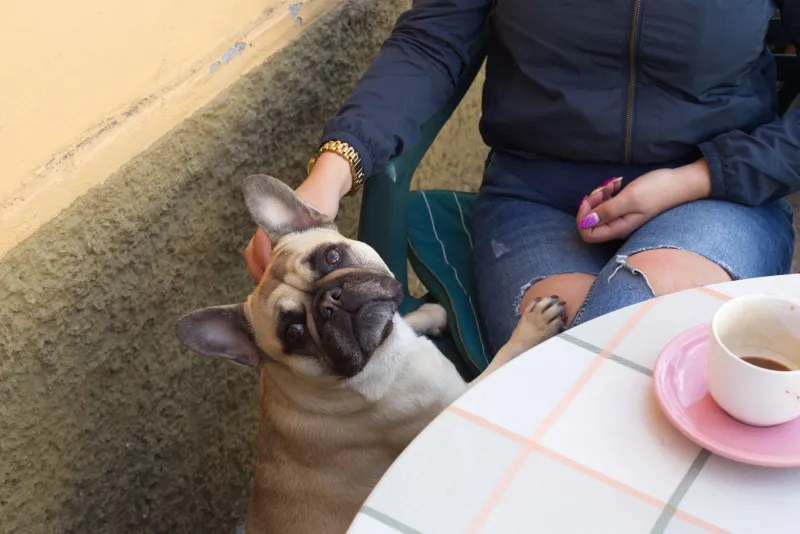
The plus-one who is already on duty
Dating with an assistance dog is a bit like turning up to a first date with a very committed colleague. They are not there to steal the spotlight. They are not a conversation starter you hired for the evening. They are doing a job, and you are trying to do something slightly vulnerable at the same time: meet someone new, fancy them a bit, and work out whether they are worth a second coffee.
In 2026, disabled daters are rightly refusing to choose between romance and independence. But there is still a gap between the glossy idea of an assistance dog and the reality of a crowded café table, a date who keeps reaching out to pet, and a dog who would quite like everyone to stop being so interesting. This guide is about closing that gap without turning your love life into a public information leaflet.
Mention the dog before the venue booking, not after
You do not need to lead with your whole medical history in the first message. You do need to mention that your assistance dog will be part of the package before someone starts imagining a two-person table for one. A simple line in your profile works: “My assistance dog, Bramble, comes with me — she is brilliant company and very professional.” It sets expectations without inviting an interrogation.
In chat, bring it up naturally when plans start forming. Something like: “Just so you know, my assistance dog will be with me. She will settle under the table, but I like to pick places with a bit of space.” That is not oversharing. It is logistics. You are not asking for permission to exist in public with your dog; you are giving the other person a chance to be sensible about seating, transport and their own allergies or nerves.
If someone responds with “Oh, I love dogs!” that is lovely, but it is not the whole conversation. Gently steer back: “She is great, but she is working, so I will probably ask you not to distract her while we are out.” Clear, warm, done.
Choose venues like you mean it
A “dog-friendly” sticker is not the same as an accessible, comfortable date spot. You want somewhere with step-free access, enough room between tables, reasonable noise levels and a calm corner where your dog can settle. A packed Saturday-night pub with sticky floors and a tribute band is not the vibe. A quiet café with a booth, a pub garden with a sturdy bench, or a National Trust café with wide paths and outdoor space can be much kinder to everyone.
Phone ahead if you can. Websites are often optimistic. Ask about table spacing, whether there is a quiet area, and where the nearest green space is for a comfort break. If you are using public transport, think about the whole journey: busy train carriages, taxi drivers who may not be dog-confident, and whether the venue is actually a short, safe walk from the station rather than a “ten-minute stroll” that turns into an obstacle course.
For a first meet, daytime is your friend. Brunch, a coffee, a gentle walk-and-talk in a park with a café at the end — these give you room to read the date and the dog without the pressure of a three-course meal. You can always build up to the fancy restaurant once you know the table has enough legroom and the date has enough manners.
The questions you will get — and the answers you do not owe
People are curious, and curiosity is not automatically rude. But there is a difference between “How does she help you?” and “What is actually wrong with you?” You are allowed to answer the first briefly and swerve the second. A useful script: “She helps me with a few things. I am happy to talk about it generally, but I would rather not give you my whole medical file over the scones.”
If someone asks whether your dog can be petted, you can say: “Not while she is working, but thank you for asking.” If they keep pushing, repeat it. You are not being precious. Distracting an assistance dog can be genuinely unsafe, and a date who cannot hear a boundary about a dog is giving you useful information about how they might handle bigger boundaries later.
Awkward comments about “not looking disabled” or “I did not know dogs could do that” are not your job to fix. A light redirect works: “She is very good at her job. Anyway — you were saying about that terrible pub quiz?” You can educate if you want to. You do not have to turn a date into unpaid disability awareness training.
Reading your dog is part of reading the room
Your dog will tell you a lot if you let them. A relaxed dog settles, softens their ears, maybe sighs dramatically under the table and goes to sleep. A stressed dog might lip-lick, yawn repeatedly, shift position, scan the room, lean into you or try to get away. If your dog is uncomfortable, that is not a failure. It is information.
It might mean the venue is too loud, the floor is too slippery, someone is staring too hard, or the date keeps leaning over to make kissy noises. You are allowed to end the date early. “She is getting a bit unsettled, so I am going to call it here — I had a lovely time” is a perfectly dignified exit. Romance should not come at the cost of your dog's welfare or your own peace of mind.
Also remember that your dog is not the whole conversation. It can be tempting to let the dog be the icebreaker, especially if you are nervous. But you are the one on the date. Ask questions, flirt a little, make the occasional joke that is not about paws. If your dog is happy and settled, let them fade into the background while you get on with the business of being charming.
When the dog is not coming — or when the date cannot cope
Not every date will include your dog. If you have a partner, family member or friend who can take over for an evening, a dog-free second or third date can be lovely. It is not a betrayal of your independence; it is just another way of making space for connection. If your dog always comes with you, that is absolutely fine too. The right person will not treat that as a problem to be solved.
If a date seems uncomfortable around your dog, ask yourself whether they are nervous but willing to learn, or whether they are treating your dog as an inconvenience. The former can be worked with. The latter is a red flag in a high-vis jacket. You deserve someone who sees your assistance dog as part of your life — not a hurdle, not a novelty, and definitely not a reason to talk over you.
At its best, dating with an assistance dog is a quiet filter for the right people. It attracts the sort of person who can handle a boundary, ask a respectful question, and still fancy you when the conversation turns from paws to plans. Bring the dog. Bring the boundaries. Bring the possibility that this might actually go somewhere.