The 45-Second Spark: Making Voice Notes Work in Disabled Dating
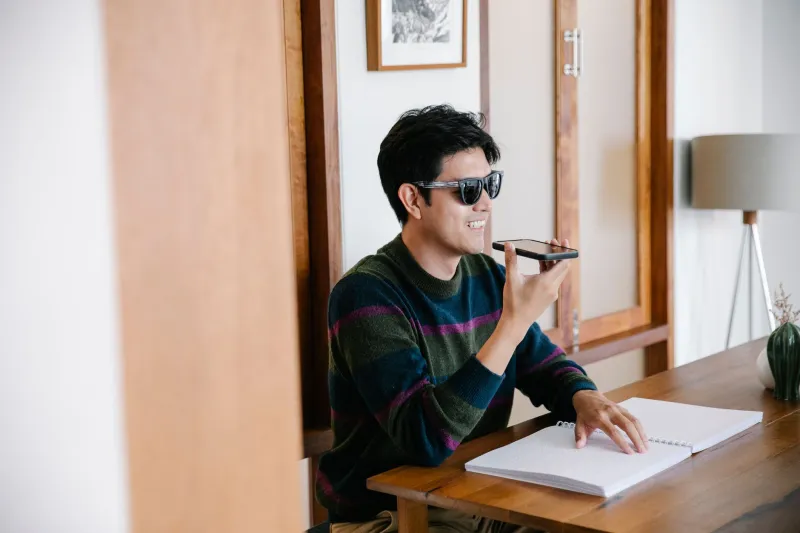
Typing is not a neutral act. For plenty of disabled daters, it’s a small chore that becomes a big one after a long day: sore hands, fatigue, dyslexia, anxiety, brain fog, or simply the effort of translating a lively personality into flat text. Voice notes can change the mood of an early conversation. They let you laugh, pause, ramble slightly, and sound like yourself. But audio-first flirting only works if it stays reciprocal, consensual and accessible. Otherwise it’s just another inbox to manage.
Why audio can be a better first move
There’s a reason voice notes have become a quiet staple of disabled dating. They lower the physical demand of chat. A 45-second message can carry more warmth than five paragraphs of text, and it can be sent while you’re resting, commuting, or having a low-energy day. For people with motor impairments, speech-to-text and voice notes can be the difference between joining in and logging off. For dyslexic daters, audio can remove the fear of being judged for spelling. For anxious daters, hearing someone’s tone can stop a harmless joke from reading like a cold shoulder.
But audio-first is not audio-only. Deaf and hard-of-hearing daters exist in this community too, as do people with auditory processing differences or speech differences. The point is not to replace text with sound. It’s to offer another route in. The best voice-note flirt asks first: do you like audio, or would you rather keep things in text? That one question says more about compatibility than a perfect opening line.
The 45-second rule, and other ways to keep it fair
A good voice note feels like a chat, not a podcast. If you’re sending eight-minute monologues before the other person has replied, you’re not flirting — you’re broadcasting. Try the 45-second rule as a loose guide: keep early notes short, leave room for a reply, and match the other person’s energy. If they send a 20-second hello, don’t answer with a five-minute life story. If they send text, don’t flood them with audio just because it suits you.
Reciprocity matters more than format. One voice note at a time is usually plenty. Ask before switching channels: “Would you mind if I sent a voice note? I’m better at talking than typing.” If they say text, believe them. If they go quiet, don’t take it as an invitation to send three more. A simple “no pressure, text is fine too” keeps the door open without turning accessibility into a guilt trip.
Set boundaries without making it weird
You’re allowed to have preferences. In fact, saying them early is kinder than letting resentment build. Try lines like: “I love voice notes but I’m rubbish after 9pm, so text is better then,” or “I’m up for audio, but can we keep them under a minute while we’re getting to know each other?” These aren’t demands. They’re house rules for a conversation.
Also think about where the audio lives. In-app voice notes are safer than swapping numbers straight away, and they keep a record if something goes wrong. If you move to WhatsApp, remember that voice notes can be saved, forwarded or screenshotted. Don’t say anything in audio that you wouldn’t be comfortable seeing screenshotted, and don’t share your address, workplace, bank details or full medical history before you’ve built trust. You can be open about being disabled without handing over your entire life admin.
Safety still applies to a friendly voice
Romance fraudsters are adaptable. A warm voice is not proof of a warm person. Be wary of anyone who rushes intimacy, refuses video calls, asks for money, or pushes you to leave the dating app quickly. Use the app’s report and block tools, tell a friend where you’re meeting someone, and arrange a first date in a public place you can actually access. Voice notes can make a connection feel fast and intimate, so slow down before you make any big decisions. A genuine dater will respect a boundary. A scammer will treat it as an obstacle.
When to graduate from voice to video or real life
Voice notes are a brilliant bridge, not a destination. If you’ve had a few days of easy back-and-forth, shared jokes and a bit of honest chat, you might be ready to suggest a short video call. Keep it low-pressure: ten minutes, a cup of tea, captions on if that helps. Ask about access needs in advance — whether that’s a quiet room, a certain platform, or simply knowing you can end the call without a big explanation.
For an in-person date, choose somewhere step-free, with accessible toilets and a seating arrangement that works for you. A coffee shop, a gallery, a park with a decent bench and a backup plan — it doesn’t need to be elaborate. The goal is to see whether the ease you felt in audio carries over. If someone keeps dodging video and meeting up while expecting daily voice notes, you’re allowed to name it: “I’m enjoying this, but I’d like to meet or at least video soon. Is that something you’re up for?”
At Disabled Dating UK, we’re all for whatever makes early dating feel more human. For some, that’s a rapid-fire text thread. For others, it’s a 45-second voice note sent from the sofa with the telly on in the background. Audio-first flirting is not a gimmick. It’s a practical, often lovely way to let your personality through before the logistics of disability, access and anxiety take up all the air. Just keep it kind, keep it reciprocal, and don’t let a good voice note become an excuse to avoid the actual date.