Rated: The UK's Most (and Least) Accessible Dating Apps for 2025
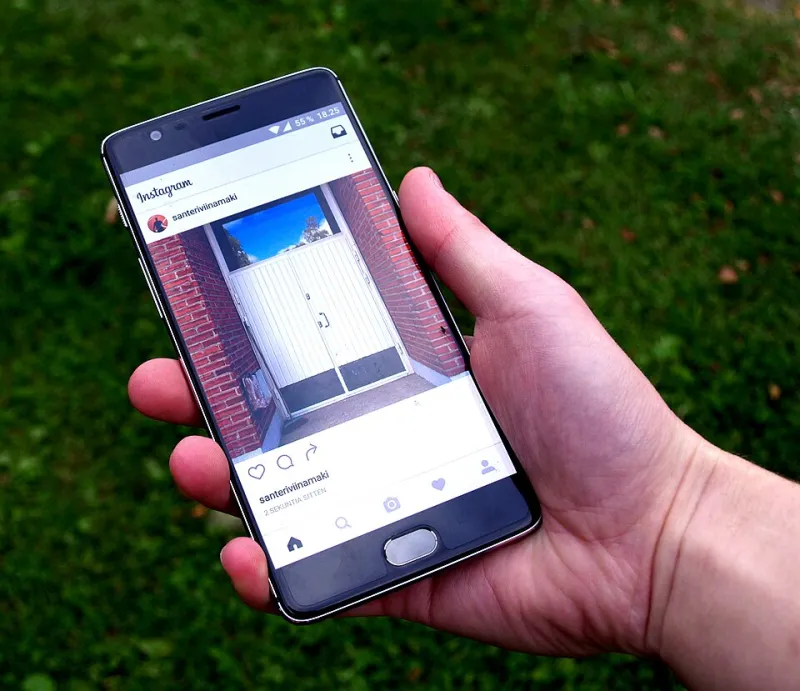
Photo: Santeri Viinamäki (both photo and screenshot), CC BY-SA 4.0, via Wikimedia Commons
Dating apps love to boast about 'inclusive design', but how many actually deliver? We spent weeks testing the major platforms available to UK singles, rating each on the things that matter to disabled daters: screen reader compatibility, whether you can disclose your disability comfortably, profile filtering, and how seriously they take moderation.
Here's how they stack up.
1. Disabled Dating UK — 9/10
Naturally, we're biased, but hear us out: a platform built by and for the community beats bolting accessibility onto an existing app. Profile options for disclosure are built in from the start, the interface works cleanly with screen readers, and the community actually understands the landscape — no 'you don't look disabled' energy here.
Best for: Daters who want to skip the explaining and get straight to connecting.
2. Hinge — 8/10
Hinge's prompt-based profiles are quietly brilliant for disabled users. Instead of a bio box you have to fill with disclosure decisions, prompts like 'the way to win me over is…' let you share what you want, when you want. Screen reader support is solid, and photo prompts reduce the visual-first pressure of other apps.
The catch: No disability-specific filters, and free features are limited.
3. Bumble — 7.5/10
Bumble's verification system is among the best going, which matters if you've ever been catfished or harassed. The photo-verification flow is accessible, and women messaging first (or anyone, with the right settings) can shift the dynamic in a helpful way. Moderation reports get actual responses.
The catch: The swipe interface can be fiddly with some screen readers, and 24-hour match windows are stressful if you have fluctuating energy levels or fatigue.
4. Tinder — 6/10
The granddaddy of swiping still has reach — and reach matters if you're in a smaller town where options are thin. But it's image-heavy, disclosure is entirely DIY, and moderation is famously patchy. Fine as a supplement; frustrating as a primary.
Best for: Volume of matches in urban areas, if you can tolerate the interface.
5. OkCupid — 6.5/10
OkCupid's question-based matching is genuinely useful — you can signal what matters to you (including accessibility needs) without a formal 'disclosure moment'. Its accessibility settings menu is more thorough than most, letting you adjust contrast and text sizing natively.
The catch: The user base in the UK has thinned considerably, and the app feels cluttered.
6. Match.com — 6/10
The old guard still works, and its detailed profiles give you room to share what you like. But the design feels dated, the mobile app's accessibility is inconsistent, and the subscription pricing is steep for what you get.
What to Look For, Whatever You Choose
Regardless of platform, here's our quick checklist for 2025:
- Screen reader and voiceover support — test the free version before paying for anything
- Disclosure control — can you share your disability on your terms, or is it all or nothing?
- Filters that respect your needs — distance matters when transport is a barrier
- Responsive moderation — report harassment and see what actually happens
- Video chat options — brilliant for vetting someone before committing to an accessible-venue hunt
The Verdict
There's no perfect app yet — the industry still treats accessibility as a feature rather than a foundation. But the gap is narrowing, and niche communities like ours are proving what's possible when disabled daters are the design brief, not an afterthought.
Wherever you swipe, remember: the app is just the door. You're the one who decides who comes through it.