The Pre-Date Checklist Every Disabled Dater Should Bookmark
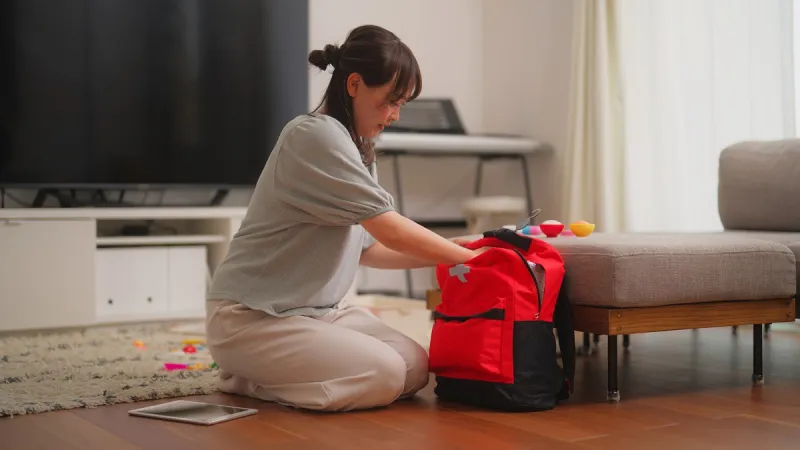
Photo: disabled woman packing a handbag with medication and phone, flat lay, bright modern flat, via www.cdc.gov
Do Your Recon Before You Do Your Hair
The best accessible dates aren't lucky — they're researched. Before you agree to anything, spend twenty minutes playing detective.
Google Street View is your best mate. Walk the route virtually. Is there a dropped kerb near the entrance? A car park with blue badge bays? Steps up to the door that the website conveniently didn't mention? Check the venue's own site for an 'accessibility' page — and be suspicious if there isn't one.
Ring them. Yes, actually ring. Websites lie by omission. A quick call asking 'Is there step-free access? Where's the nearest accessible toilet?' tells you more in two minutes than ten reviews. Bonus: how the staff respond tells you a lot about how welcome you'll actually feel.
Check Euan's Guide — the review site where disabled people rate venues on access. It's like TripAdvisor, but honest about loos.
Pack the Kit
Your first-date bag is a personal thing, but a few universal essentials earn their place:
- Spare medication, plus a dose in a separate bag in case one goes astray
- Backup tech: charged power bank, spare hearing aid batteries, phone charger
- Pain or symptom relief — whatever your usual toolkit looks like
- A small snack and water, especially if you're a spoonie managing energy all day
- Emergency contact card or medical ID set up on your phone
- Sunglasses/earplugs if sensory overload is part of your day
The Spoonie Energy Plan
If you're pacing your energy, treat the date like any other big event. Rest beforehand — don't schedule it after a double shift or a hospital appointment. Plan an exit time in your head before you arrive, and have a graceful line ready: 'I've had a brilliant time, but I need to head off while I've still got the energy to enjoy having had it.' Anyone worth a second date will respect that.
Consider a daytime first date — coffee, a gallery, a stroll somewhere flat — rather than a five-course dinner marathon. Low-key dates leave room for connection without costing you the next three days.
Scripts for Asking (Without Apologising)
You should never have to grovel for access. Here are some lines that are clear, confident and apology-free:
- 'Could we meet at [venue]? I've checked and it's fully step-free, which works brilliantly for me.'
- 'I need to take medication at 8pm — just so you know, not a big deal.'
- 'There's a quiet corner table that works best for me — shall we ask for that?'
Notice the pattern? You're not asking permission. You're stating what works, like the organised, self-aware catch you are.
How Much Access Info to Share?
Here's the golden rule: share what's relevant to the date, not your entire medical history. They need to know you use a wheelchair or need regular breaks. They do not need your diagnostic timeline over the starters. Let disclosure unfold at your pace — the second and third dates have room for depth.
Your Downloadable Pre-Date Checklist
48 hours before:
- ☐ Confirm venue access by phone
- ☐ Check accessible toilets and parking on Street View
- ☐ Plan the route and a backup
Day of:
- ☐ Pack meds, spares, charger, snacks
- ☐ Rest before heading out
- ☐ Set your exit time and a check-in text with a friend
On the date:
- ☐ State your needs plainly, no apologies
- ☐ Enjoy yourself — you've done the work
The right venue, the right bag and the right mindset won't guarantee sparks fly. But they'll make sure the only thing you're nervous about is the actual conversation — which is exactly how it should be.